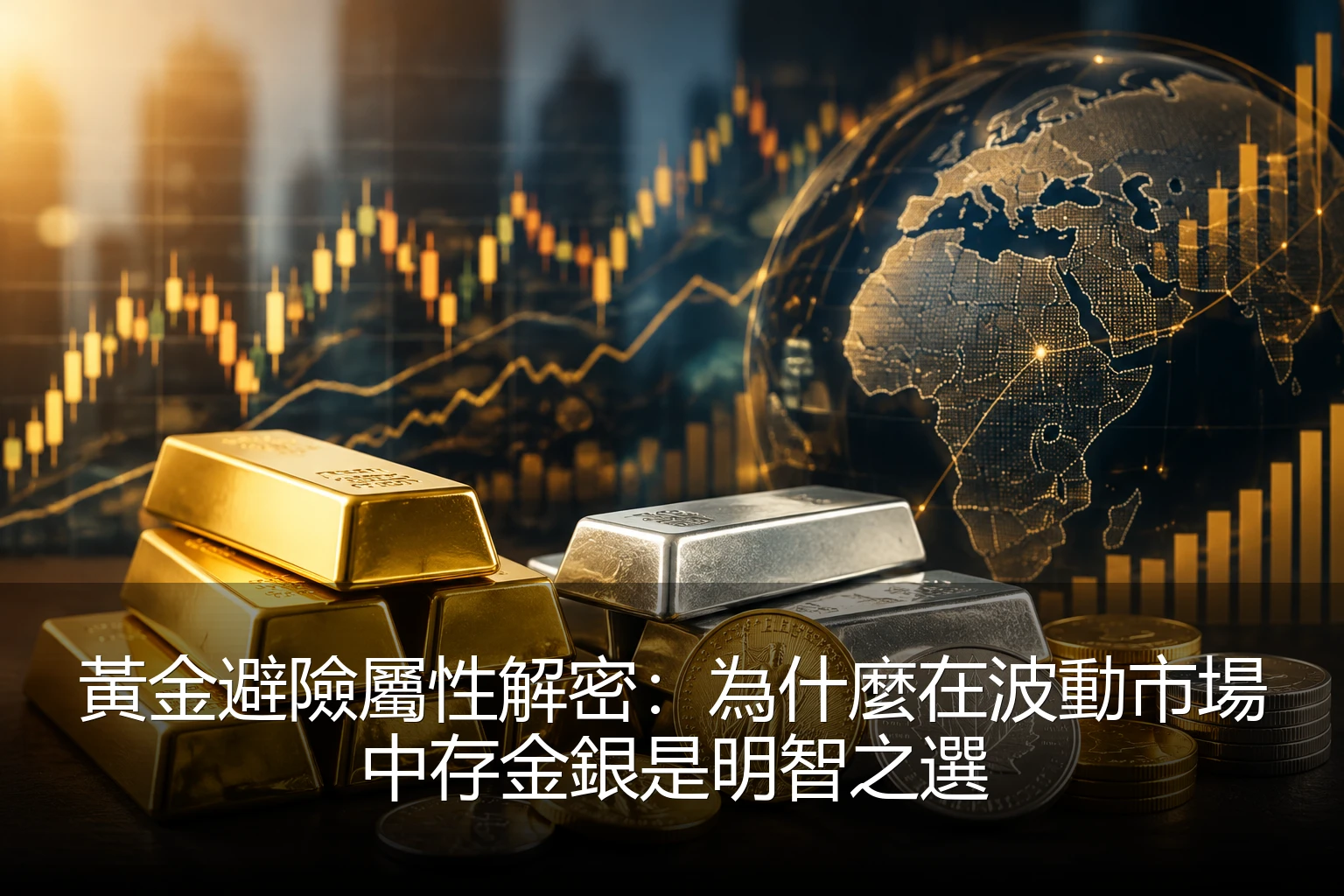


The New Era of Hedge Assets: Strategic Position of Gold and Silver in Investment Portfolios by 2026
In today's context of heightened global economic volatility, escalating geopolitical tensions, and persistent inflationary pressures, the demand for asset protection has reached unprecedented levels. The volatility of traditional financial markets, risks of currency devaluation, and uncertain economic prospects have led increasingly more investors to turn to time-tested hedge assets—gold and silver. This article will thoroughly explore the strategic value of gold and silver as hedge assets in modern investment portfolios and how to effectively allocate these precious metals in the current complex economic environment to achieve long-term wealth preservation and growth.
Current Global Economic Situation and Hedge Demand
In 2026, the global economy faces multiple challenges. Slowing growth in major economies, persistent inflationary pressures, frequent geopolitical conflicts, and uncertainties in global monetary policies collectively create a complex picture of the current investment environment. According to the latest report from the International Monetary Fund, global economic growth is expected to slow to 3.2%, down from 3.5% in 2025. Meanwhile, central banks worldwide face the dilemma of balancing inflation control with economic stimulus.
Against this backdrop, traditional stock and bond assets have shown increased volatility, while cash savings face the risk of declining purchasing power. According to economists' analysis, over the past five years, the purchasing power of major global currencies has decreased by approximately 15% on average, meaning that investors holding only cash are seeing their real wealth erode. Therefore, finding assets that can effectively hedge against these risks has become a primary task for contemporary investors.
Gold: The Timeless King of Hedging
As one of the oldest assets in human history, gold's hedging properties have stood the test of time. During economic crises, inflation, or geopolitical conflicts, gold often demonstrates strong hedging capabilities. According to data from the World Gold Council, since the collapse of the Bretton Woods system in 1971, gold prices have appreciated at an average annual rate of about 7.8%, far outperforming many currencies over the same period.
The hedging value of gold stems from multiple factors. First, gold is a finite resource with limited proven global reserves, and mining costs are rising annually, making its supply relatively stable. Second, gold has a unique value storage function that does not depend on the credit endorsement of any government or institution. Finally, gold is widely recognized worldwide, offering strong liquidity that can be quickly converted to cash in global markets.
In the 2026 market environment, gold's hedging properties are once again prominent. As central banks continue to increase gold reserves and individual investors' demand for hedge assets rises, gold prices have reached new all-time highs, demonstrating their appeal as hedge assets.
Silver: The Perfect Combination of Industrial Demand and Investment Value
Compared to gold, silver possesses both commodity and financial attributes, giving it a unique role in investment portfolios. Besides functioning as a precious metal with hedging capabilities, silver has extensive industrial applications, including electronics, solar energy, medical, and catalysts. This dual nature often makes silver perform well during economic recovery periods.
In recent years, with the acceleration of global energy transition, the booming development of the solar industry has significantly driven silver demand. According to industry analysis, each megawatt of solar panels requires approximately 20-30 ounces of silver. As renewable energy's share in the global energy structure increases, industrial demand for silver is expected to continue growing.
Meanwhile, silver's relatively lower price compared to gold makes it an entry point for more investors to access the precious metals market. For investors with limited capital, silver provides an opportunity to participate in the precious metals market at a lower cost while retaining the hedging properties of gold.
Gold and Silver Allocation Strategies in Investment Portfolios
Effective asset allocation is key to investment success. For most investors, the recommended allocation for gold in an investment portfolio is typically 5-10% of total assets, while silver may account for 2-5%. Specific allocation ratios should be adjusted based on the investor's risk tolerance, investment objectives, and time horizon.
Gold and silver allocation can take various forms, including physical gold and silver (bars, coins), gold and silver ETFs, gold and silver-related stocks, as well as derivatives such as futures and options. Different forms of gold and silver investments each have their pros and cons: physical gold and silver provide direct ownership but involve higher storage costs; gold and silver ETFs offer good liquidity but incur management fees; gold and silver stocks provide leverage but have higher volatility.
For long-term investors, regular systematic investment in gold and silver products is an effective strategy. This approach can average costs and reduce the risk of market timing. At the same time, investors should pay attention to the cyclical fluctuations of gold and silver prices, increasing allocation at relatively low points and适当 reducing positions at highs, but long-term holding remains the core strategy for gold and silver investment.
Gold and Silver Allocation Recommendations in the Current Economic Environment
In the 2026 economic environment, gold and silver allocation should consider several key factors:
- Inflation Hedging Demand: Facing persistent inflationary pressures, gold and silver as traditional inflation hedging tools highlight their allocation value. Especially for long-term assets such as retirement savings and education funds, appropriate gold and silver allocation helps maintain purchasing power.
- Geopolitical Risks: With current international tensions and frequent geopolitical conflicts, gold and silver's hedging properties make them an important defensive line in investment portfolios. Asset allocation should retain a certain proportion of gold and silver to应对突发 political or economic crises.
- Monetary Policy Shift: As major global central banks gradually shift monetary policies, changes in interest rate environments will affect gold and silver prices. Investors should closely monitor central bank policy trends and adjust gold and silver allocation ratios promptly.
- Technological Innovation Trends: The development of emerging technologies like blockchain and digital assets may change the traditional financial landscape. As physical assets, gold and silver may gain new value recognition in the digital era.
Common Misconceptions and Risk Management in Gold and Silver Investing
Despite their multiple advantages, investors should pay attention to several common misconceptions during the investment process:
- Short-term Investment Mindset: Gold and silver prices experience short-term fluctuations. Focusing only on short-term price movements while ignoring long-term trends may lead to incorrect investment decisions. Gold and silver investment should primarily focus on long-term holding, avoiding frequent trading.
- Over-concentrated Allocation: Investing too much capital in gold and silver may lead to over-concentration in the portfolio, increasing risk. Gold and silver should be part of a diversified investment portfolio, not the entirety.
- Neglecting Storage Costs: Physical gold and silver investments require consideration of insurance, storage and other costs, which may affect actual returns. Investors should fully evaluate related costs before purchasing.
- Market Timing Misjudgment: Attempting to accurately predict gold and silver market tops and bottoms is extremely difficult. Investors should avoid such attempts and instead adopt systematic allocation strategies.
Future Outlook: The Continued Value of Gold and Silver in Investment Portfolios
Looking ahead, the value of gold and silver as hedge assets is expected to persist. With increasing global economic uncertainty, persistent inflationary pressures, and rising geopolitical risks, the importance of gold and silver in investment portfolios will further enhance.
From a long-term perspective, the supply side of gold and silver will face challenges. On one hand, high-quality ore reserves are gradually decreasing, and mining costs are rising; on the other hand, increasingly strict environmental requirements may limit new mine development. These factors will collectively support the long-term price trend of gold and silver.
Meanwhile, with growing global demand for renewable energy and clean technologies, industrial demand for silver is expected to continue strengthening, further enhancing its value in investment portfolios. Particularly against the backdrop of rapid development in the solar industry, the supply and demand fundamentals of silver will become more strained.
Conclusion: Building Balanced Portfolios, Gold and Silver are Indispensable
In the current complex and ever-changing economic environment, the strategic position of gold and silver as hedge assets in investment portfolios is increasingly prominent. Gold, with its stable value storage function and widespread global recognition, serves as the cornerstone of asset protection; while silver, with its unique industrial demand and relatively lower price, provides investors with an entry point to participate in the precious metals market.
For investors pursuing long-term wealth preservation and growth, including gold and silver in appropriate proportions in an investment portfolio is a wise strategy. Gold and silver not only hedge against inflation risks and diversify portfolio risks but also provide stability during market turmoil. However, investors should allocate reasonably based on their own circumstances, avoid over-concentration, and pay attention to related risks.
Ultimately, gold and silver investment should be viewed as part of a long-term wealth management strategy rather than a short-term speculative tool. In today's era of increasing uncertainty, gold and silver, as one of the most reliable value storage tools in human history, will continue to validate their strategic value in the future. For far-sighted investors, now is the time to reassess and appropriately increase gold and silver allocation to应对 potential future economic challenges and ensure long-term wealth security and growth.