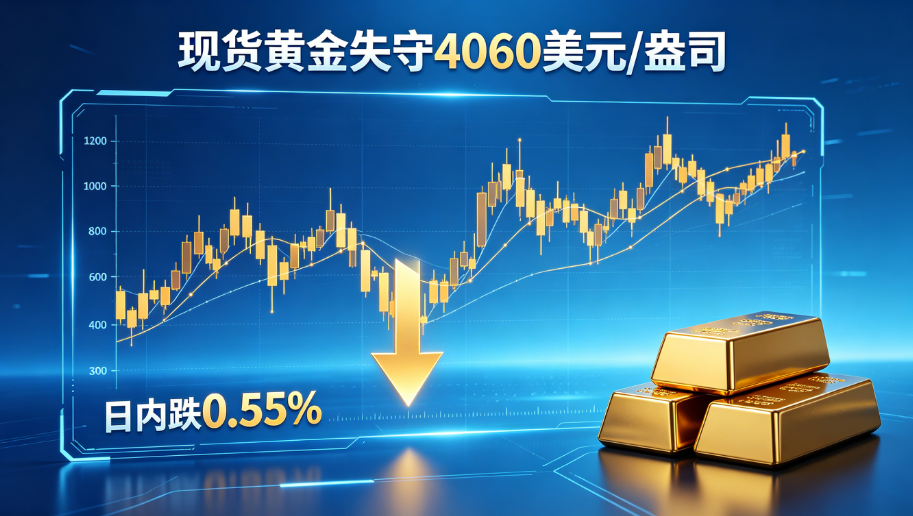


On July 30, 2026, the International Monetary Fund (IMF) released its latest World Economic Outlook update, sharply lowering global growth forecasts and warning that supply chain disruptions have spread from specific industries to energy, food, and critical minerals. The report noted that geopolitical conflicts, extreme weather events, and trade barriers have combined to drive up global logistics costs, cause shortages of key components, and keep price pressures high across countries. Against this backdrop, gold and silver, as traditional safe-haven assets, have once again become the focus of capital flows.
Root Causes and Impacts of the Supply Chain Crisis
This supply chain crisis began with the Red Sea shipping disruptions in late 2025, followed by the Panama Canal drought and falling water levels in European rivers, drastically reducing global shipping efficiency. In 2026, labor negotiations broke down at U.S. West Coast ports, triggering strikes and a sharp drop in Asian manufacturing shipments. IMF data shows that the global supply chain pressure index has risen to the second-highest level in history, second only to the 2021 pandemic peak.
Supply chain bottlenecks have directly driven up production costs, forcing companies to pass on increases to consumers. The U.S. CPI year-on-year increase reached 6.2% in June, the euro area 5.8%, and emerging markets generally above 10%. Central banks face a dilemma: continued rate hikes risk stifling the economy, while pausing hikes risks inflation spiraling out of control. Markets expect the Federal Reserve to keep rates unchanged at its September meeting, but inflation expectations remain elevated.
Data Evidence of Surging Gold and Silver Safe-Haven Demand
The physical gold and silver market has responded most directly. According to the latest data from the World Gold Council, global demand for gold bars and coins reached 312 tons in Q2 2026, up 18% year-on-year, the highest for that quarter since 2013. For silver, the U.S. Mint's American Silver Eagle coin sales exceeded 5 million ounces in July, approaching the peak of the 2020 pandemic outbreak. Notably, retail investor participation in Asia has increased significantly, with imports by China and India, the two largest gold consumers, rising 25% and 32% year-on-year respectively.
Looking at the futures market, net long positions in COMEX gold have increased for five consecutive weeks, with speculative long positions rising 12% in the week ending July 28. Open interest in silver futures has also climbed, reflecting aggressive positioning by institutional funds.
Why Is the Supply Chain Crisis Especially Favorable for Gold and Silver?
Unlike financial assets such as stocks and bonds, gold and silver have physical properties and do not rely on any institution's payment promises. In an environment where supply chain crises are eroding corporate profits and raising credit default risks, investors tend to convert paper wealth into tangible physical assets. Moreover, countries may introduce large-scale fiscal stimulus to alleviate economic difficulties, further diluting currency purchasing power, thereby highlighting gold and silver's value-preservation function.
Another key factor is supply constraints. Global gold mine output peaked in 2025, and new mine development cycles take 5-10 years, making capacity expansion difficult in the short term. Silver, about 70% of which is produced as a byproduct of copper, lead, and zinc mines, faces even lower supply elasticity due to reduced output of base metals. The structural imbalance between supply and demand provides underlying support for gold and silver prices.
How Should Investors Respond?
Facing a complex macro environment, professional analysts recommend a "core + satellite" strategy: use physical gold bars and coins as long-term core holdings, comprising 10%-15% of the portfolio; and pair with silver ETFs or futures as satellite positions to capture the rebound from industrial demand. For small investors, low-threshold tools such as gold passbook accounts and silver fixed deposits can be used to build positions in batches.
Safe-haven sentiment indicators such as the VIX index and U.S. CDS spreads have both risen recently, confirming strong market unease. Until the supply chain crisis shows significant easing, the safe-haven premium for gold and silver will persist.
Conclusion
IMF Managing Director Kristalina Georgieva stated frankly at the report launch press conference: "The global economy is at a dangerous crossroads." When the trust foundation of the fiat currency system is shaken by supply chain disorder, gold's monetary attributes and silver's dual role as both industrial and monetary metal will become the ark for investors to preserve wealth. Holding gold and silver is no longer an option but a necessity for asset allocation.