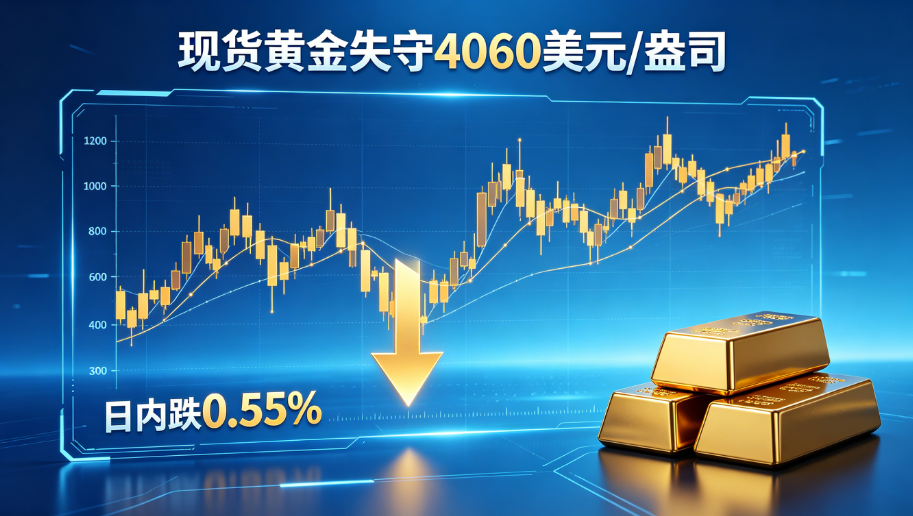


On July 28, 2026, the latest semi-annual report jointly released by the World Silver Association and the World Gold Council indicated that global physical gold and silver investment demand hit a near-decade high in the first half of 2026. Physical silver investment demand surged 35% year-on-year to 210 million ounces, while physical gold investment demand (coins and bars) rose 18% to over 1,200 metric tons. This trend of “holding gold and silver” is spreading from institutional investors to retail investors, becoming a new focus in asset allocation.
Widening Supply-Demand Gap Fuels Personal Storage Boom
The report shows that the silver market has experienced a supply deficit for the third consecutive year, with the deficit expanding to 58 million ounces in H1 2026, primarily due to surging industrial demand from solar photovoltaic panels and AI server connectors. Meanwhile, global central banks purchased a net 380 tons of gold in the first half, slightly lower than the same period last year but still elevated. Central banks in emerging markets such as China, Poland, and India continued to increase holdings, encouraging private-sector followership.
“Individual investors are shifting from holding ETFs to directly holding physical metal,” noted Anderson, an analyst at the London Bullion Market Association (LBMA). “Growing distrust in the banking system, coupled with persistent inflation, makes physical gold and silver the ultimate ballast.”
Three New Drivers for Gold and Silver Storage
- AI and Green Energy Revolution Boost Silver Demand: Each photovoltaic panel requires about 20 grams of silver. Global solar installations grew 25% year-on-year in H1 2026, directly driving up industrial silver consumption. High-frequency connectors in AI servers also use large amounts of silver, elevating it from a mere safe-haven asset to a “critical industrial metal.”
- Geopolitical Risks as a New Normal: From Middle East tensions to trade frictions, uncertainty keeps pushing up safe-haven sentiment. Gold, as the top choice for hedging, offers liquidity and physical possession that appeal to individual investors preparing for extreme scenarios.
- Renewed Focus on Inflation Hedging: Although central bank rate hike cycles are nearing their end, core inflation remains above targets. The historical record of physical gold and silver as a store of purchasing power attracts long-term investors.
Personal Gold and Silver Storage Trends
In Western markets, a “store at home” trend has emerged. The Royal Mint’s gold coin sales hit a five-year high in H1, while demand for American Eagle gold coins rose 12%. In Asia, vault rental services in Singapore and Hong Kong grew 40%, with many middle-class individuals opting to store gold and silver in professional depositories, paying monthly storage fees.
Notably, millennials (ages 25–40) are driving the gold and silver storage wave. They prefer buying small denominations online—such as 1-ounce gold coins and 10-ounce silver bars—emphasizing the principle of “holding physical assets no matter what.” Posts with hashtags like #StackSilver and #GoldStacking increased twofold on social media in H1.
Expert Analysis: Long-Term Returns of Gold and Silver Storage
Historical data show that gold’s average annual return over the past 20 years was approximately 8.5%, while silver, though more volatile, had a long-term return close to 12%. Considering current supply deficits and structural central bank demand, experts believe gold and silver prices have upward potential in the next five years.
“Gold and silver storage is no longer for the few; it is an essential tool for every family to counter currency depreciation,” said Wilde, an asset management company representative. “The key is to allocate 5%–10% of total assets to these metals, hold long-term, and avoid frequent trading.”
Conclusion
The surge in physical gold and silver investment demand in H1 2026 reflects both rational market choices and a snapshot of the era’s risk aversion. Whether for inflation protection, risk mitigation, or capital preservation, the reasons for storing gold and silver have become clearer in the current environment. For investors who have not yet entered the market, now may be a good time to consider a personal gold and silver savings plan.