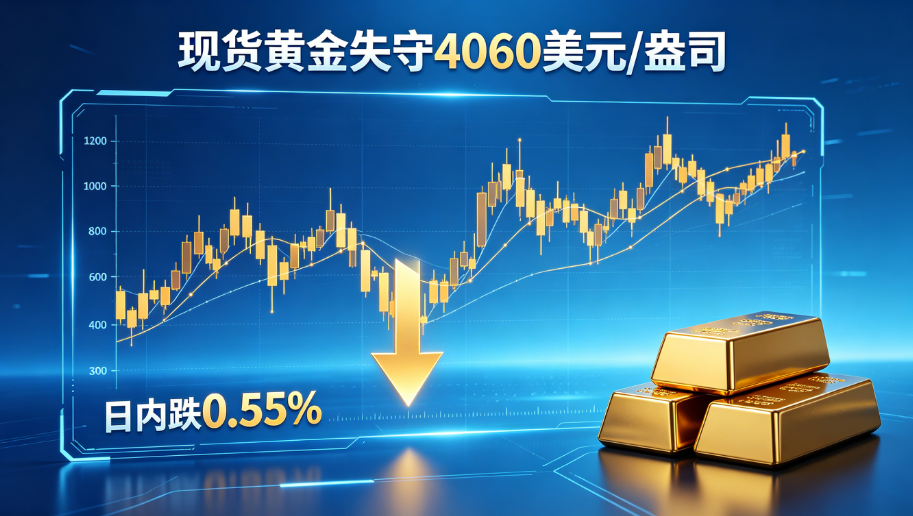


Gold and Silver Surge: Precious Metals Market Sets New Records in July 2026
On July 24, 2026, the global precious metals market witnessed a historic moment. Spot gold prices broke through the $4,200 per ounce mark during Asian trading hours, reaching a high of $4,218, surpassing the previous record set in May this year. Simultaneously, silver prices surged to $65.20 per ounce, the highest level in nearly 40 years. The gold-silver ratio fell to around 64, indicating that silver's rally was even more aggressive.
Since the beginning of this year, gold prices have accumulated an increase of over 35%, while silver has surged by as much as 52%. Against the backdrop of heightened global economic uncertainty, persistent inflationary pressures, and continued accommodative policies by central banks, the safe-haven attributes and wealth-preservation functions of precious metals have once again gained strong favor from investors.
Top 5 Reasons to Hold Gold and Silver: Why Now Is the Right Time to Invest?
Reason 1: Hedge Against Inflation
Although global inflation in 2026 has fallen from its 2025 peak, core CPI in many countries remains above 3%. Major central banks such as the Federal Reserve and the European Central Bank have paused rate hikes, but the massive money supply and fiscal deficits have not been resolved. Historical data shows that gold's long-term annualized return is highly correlated with inflation, making it the best tool to combat the decline in purchasing power.
Reason 2: Preferred Safe Haven
Geopolitical risks continued to escalate in 2026: the Ukraine war remains deadlocked, the Middle East situation becomes tense again due to Iran's nuclear issue, and policy uncertainties ahead of the U.S. presidential election have all boosted safe-haven demand. As the ultimate safe-haven asset, gold tends to perform well during turbulent times. In July this year, net inflows into gold ETFs hit a single-month record, indicating a massive influx of capital.
Reason 3: Preservation and Appreciation
Unlike paper assets such as stocks and bonds, gold and silver have intrinsic physical value and are less susceptible to single-enterprise or sovereign credit risk. Over the past five years, gold prices have risen from $1,800 in 2021 to $4,200, with an annualized return of over 18%. Silver's gains have been even more remarkable, soaring from $25 to $65 over the same period, a return of 160%. Long-term holding of gold and silver not only preserves value but also achieves significant appreciation.
Reason 4: Continued Central Bank Gold Purchases
According to the latest data from the World Gold Council, global central banks' net gold purchases reached 512 tons in the first half of 2026, up 28% year-on-year. Central banks in China, India, Russia, and other emerging market countries continue to increase their gold reserves to diversify away from U.S. dollar reserve risk. The large-scale buying by central banks provides a solid floor for gold prices.
Reason 5: Explosive Industrial Demand (Especially for Silver)
Silver's application demand in high-tech fields such as solar panels, electric vehicles, and 5G communications continues to explode. The Silver Institute forecasts that global industrial demand for silver will exceed 650 million ounces in 2026, with an annual growth rate of 8%. On the supply side, production is falling due to declining ore grades and recycling difficulties, resulting in a supply deficit that has widened to 50 million ounces, driving silver prices higher.
Market In-Depth Interpretation: The Logic Behind Gold and Silver Jointly Hitting New Highs
This round of gold and silver rally is not a simple safe-haven trend but a resonance of multiple bullish factors. First, global liquidity remains abundant, with the Bank of Japan and the European Central Bank maintaining accommodative policies, while expectations of a rate cut by the Federal Reserve are rising, leading to lower real interest rates that benefit gold prices. Second, the U.S. dollar index has fallen below the 95 mark, hitting a new low since 2023, making dollar-denominated precious metals much more attractive.
Supply-side factors also provide support. The production of the top ten global gold miners generally declined by 5-10% in 2026, mainly due to declining ore grades and stricter environmental regulations. Silver supply has also shrunk due to reduced output from lead-zinc mines. The supply-demand imbalance means that while the cost of holding physical gold and silver is low, their value steadily rises.
Investment Strategy Recommendations: How to Allocate Gold and Silver Assets?
For individual investors, ways to hold gold and silver include physical gold bars, coins, silver bars, and silver coins, as well as financial instruments such as gold ETFs and silver ETFs. Experts recommend allocating 10-15% of total assets to precious metals to effectively balance portfolio risk. Although gold prices are at historical highs, the long-term bullish trend remains unchanged amid the restructuring of the global monetary system and the de-dollarization wave.
For silver, given the continued growth in industrial demand and supply shortages, its price elasticity is higher than that of gold, making it suitable for investors with higher risk tolerance. Positions can be built in batches to avoid chasing highs. Meanwhile, the gold-silver ratio (currently around 64) can be used to dynamically adjust between gold and silver.
Expert View: Holding Gold and Silver is the Wealth Umbrella for the Next Decade
Mr. Wang, Chief Analyst at Setipo Capital, stated, "The market environment in 2026 is very similar to the stagflation period of the 1970s - high inflation, low growth, and geopolitical conflicts. Back then, gold rose from $35 to $850, an increase of more than 20 times. Although the base is now high, the level of global debt and monetary expansion far exceeds that era, so gold still has significant upside potential. Holding gold and silver should not be viewed for short-term fluctuations but as long-term insurance for wealth."
With the launch of central bank digital currencies (CBDCs) and increasingly stringent financial regulations, the anonymity and untraceability of physical gold and silver will also attract more privacy-conscious investors. In summary, the reasons for holding gold and silver in 2026 have not only not disappeared but have become even more compelling.