

European stocks edge higher, Hermès earnings pressure and Middle East situation in focus
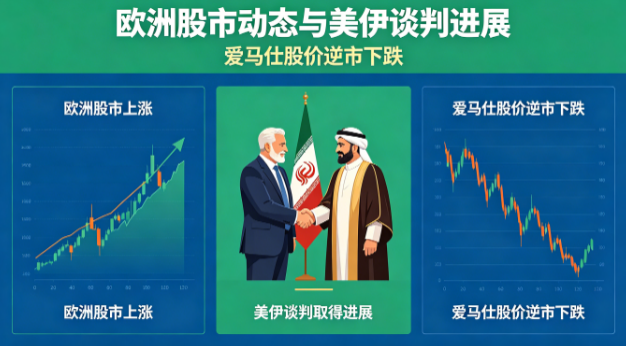
This week, European stocks resemble a whiskey on the rocks—calm on the surface but with a subtle kick underneath. The STOXX Europe 600 closed up 0.7%, led by bank stocks like the life of the party, while media and consumer stocks quietly retreated to a corner. Investors' mood was just slightly better than last week. The reasons: encouraging progress in US-Iran talks and ECB President Lagarde's comment, "We don't need to make a big deal out of the Middle East conflict." This remark revived risk appetite like a shot of adrenaline.
Stock market's "fire and ice": Bank stocks rally, Hermès sneezes
First, let's look at the rally's pulse. Bank stocks were strong during the session, charging ahead. Why? Markets expect easing inflation pressure and no imminent tightening by the ECB—a sweet spot for banks: stable lending margins and low funding costs. Media and consumer stocks? They coughed like a sick star. Luxury giant Hermès tumbled 5.4%, the day's most notable fall from grace.
Why did Hermès fall? Analysts' forecasts hit a nerve: upcoming first-half results may show profit pressure. For Hermès, known for high margins, pricing power, and loyalty, this is bad news. Its Birkin bags are harder than gold, but even this "bag king" is struggling, highlighting broader luxury sector strain. Are consumers' wallets shrinking or is the luxury bubble bursting? Answers lie in the upcoming earnings.
UK politics: Prime Minister steps aside, FTSE 250 unmoved
Elsewhere, UK politics saw a small but intriguing drama. PM Keir Starmer suddenly announced he would step down, briefly shaking the FTSE 250, which fell 0.7% intraday. But markets quickly recovered—this was a routine party transition to make way for Andy Burnham. The FTSE 250 closed flat, as if saying: "Politicians come and go, what's it to stocks?"
This phenomenon is interesting: political changes in the UK have diminishing market impact. Investors are used to "UK politics like a soap opera". Unless there's a disruptive policy (e.g., Brexit), changing leaders within the same party barely registers. Andy Burnham, a former health secretary with a decent reputation, is seen as preferable to a sudden populist. So the index returned to baseline, unruffled.
Middle East oil and fire: Talks progress, but Trump's "big stick" remains
The day's biggest relief came from the Middle East. Brent crude fell toward $78 per barrel on "encouraging progress" in US-Iran peace talks. Both sides plan further talks this week, like quarreling neighbors agreeing to tea. Oil's decline eased inflation fears, boosting stocks.
But don't celebrate too soon. President Trump warned: if Hezbollah attacks Israel, the US will strike. This threat is a ticking bomb. BNY Mellon's senior macro strategist Geoff Yu noted: "Most conflict-related good news is already priced in. Oil has taken a backseat; financial conditions matter more." In short: oil fell, stocks rose, but risks remain.
Middle East impact has shifted from "direct panic" to "chronic anxiety." As long as talks continue, oil won't spike, and stocks breathe. If Trump pushes the "strike" button, that's another story.
Lagarde's calm philosophy: ECB's "steady as she goes"
ECB President Lagarde's recent remarks exude Zen-like composure. She said the ECB doesn't need to react strongly to Middle East conflict effects. This "don't panic, we have it under control" approach calmed investors: no rush to hike or cut rates, stable liquidity, stocks steady.
Interestingly, Lagarde contrasts with the Fed, which has been hyperactive, whipsawing markets. Her "no overreaction" strategy wins trust in this environment.
European stocks' "growing pains": Lagging US but stable
Overall, the STOXX Europe 600 is up 8.1% year-to-date—decent, but behind the S&P 500's 9.2%. Europe lags due to weaker tech exposure. The US has AI, Nvidia, Tesla; Europe has cars, luxury, banks—traditional industries without tech's rocket growth. However, lower volatility suits cautious investors. If you don't want rollercoaster days, European stocks might be your pick.
Summary: Bank stocks led, Hermès stumbled, UK transition fizzled, Middle East eased slightly, Lagarde calmed nerves, oil fell. Markets found a haven to rest. But surprises lurk—Trump's big stick, Iran's variables, even Hermès' earnings. Investors, fasten seatbelts and enjoy the calm.
As for Hermès? Perhaps a new bag design will reignite market frenzy. Who knows? Fashion cycles are harder to predict than market cycles.
Keywords: European stocks, Hermès, oil price drop, Middle East situation, Lagarde, UK PM resignation, bank stocks