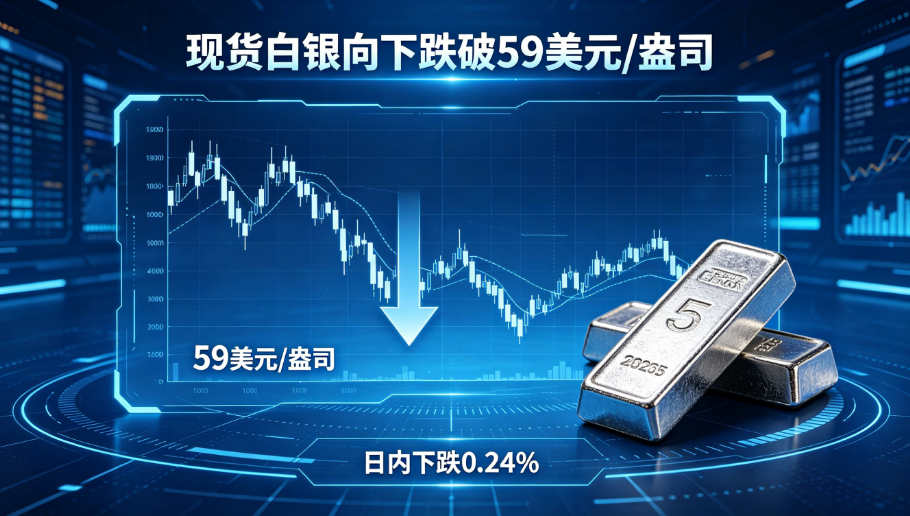


The U.S. Department of Commerce released June Core PCE on Wednesday (29th), rising 2.8% YoY, above the 2.7% forecast and up from 2.6% prior. Core PCE, excluding food and energy, is the Fed's preferred inflation gauge; the unexpected rise immediately roiled financial markets. Spot gold surged over $20 within half an hour, breaking above $3,120 to hit $3,126.80; spot silver also rallied back above $62, reaching $62.35. Safe-haven sentiment rapidly escalated, with precious metals becoming a haven for funds.
Inflation Stickiness Exceeds Expectations, Adding Uncertainty to Fed Policy Path
The annual core PCE rate not only exceeded expectations but also ended a three-month downtrend. Monthly core PCE rose 0.3% MoM, above the 0.2% forecast. Detailed data showed services prices, particularly housing costs and medical services, remain the main inflation driver. In addition, some core goods prices rebounded, indicating lingering supply chain pressures.
Economists noted the report underscores inflation stickiness far surpassing Fed expectations. The market had priced in over a 60% chance of a September rate cut, but after the data, odds quickly faded; the CME FedWatch Tool showed the probability of rates unchanged in September rose to 55%. The Fed must balance controlling inflation and avoiding recession, making the policy outlook more murky.
Gold's Haven Luster Returns; Institutions Raise Target Prices
Despite the Fed possibly keeping rates higher for longer, which theoretically hurts non-yielding gold, funds still poured in. Analysts explained that inflation expectations rose rather than fell, real interest rates declined, and geopolitical uncertainties (Middle East tensions, US-China trade frictions) strengthened gold's safe-haven and inflation-hedging functions.
Goldman Sachs said in a report: "Core PCE confirms inflation stickiness, heightening investor concerns about fiat currency. Central banks and retail investors continue to buy gold. We raise our year-end target from $3,200 to $3,400." The world's largest gold ETF (SPDR Gold Trust) added 4.2 tonnes on the data day, lifting total holdings to 1,245 tonnes, indicating sustained institutional inflows.
Silver Supported by Industrial Demand; Price Breaks Key Resistance
Silver's rally was even sharper, driven not only by gold's safe-haven appeal but also strong industrial demand. China's solar photovoltaic installations exceeded expectations, boosting silver usage in panels; 5G infrastructure and EV industries also lifted demand. On the supply side, global major silver mine output fell 3.2% last year, with inventories declining.
Technical analysts noted silver broke above the key resistance of $62, a three-month range high, with next target at $65. If silver holds above $62, it could challenge the 2025 high of $68. Notably, the gold-silver ratio is around 50.2, still in the lower-middle historical range; continued safe-haven sentiment could lead to further upside catch-up for silver.
Market Outlook: Focus on Nonfarm Payrolls and Fed Decision
Going forward, the focus shifts to the July nonfarm payrolls data due next week. If the labor market remains hot, the chance of a September rate cut will decline further; conversely, cooler data could ease hawkish pressures. Also, the Jackson Hole symposium in late August is closely watched, with the Fed chair's speech offering policy clues.
For gold and silver investors, the core narrative remains inflation and safe-haven demand. Even if the Fed keeps rates high, as long as inflation expectations persist, gold and silver's value-preservation function will attract inflows. Investors are advised to monitor upcoming data and adjust positions accordingly. Short-term dips can be bought, while long-term core holdings should be maintained to hedge macro risks.
Disclaimer: The information provided in this article is for reference only and does not constitute investment advice. Investors should assess market risks independently and consult a professional financial advisor.